Specifications
Bike
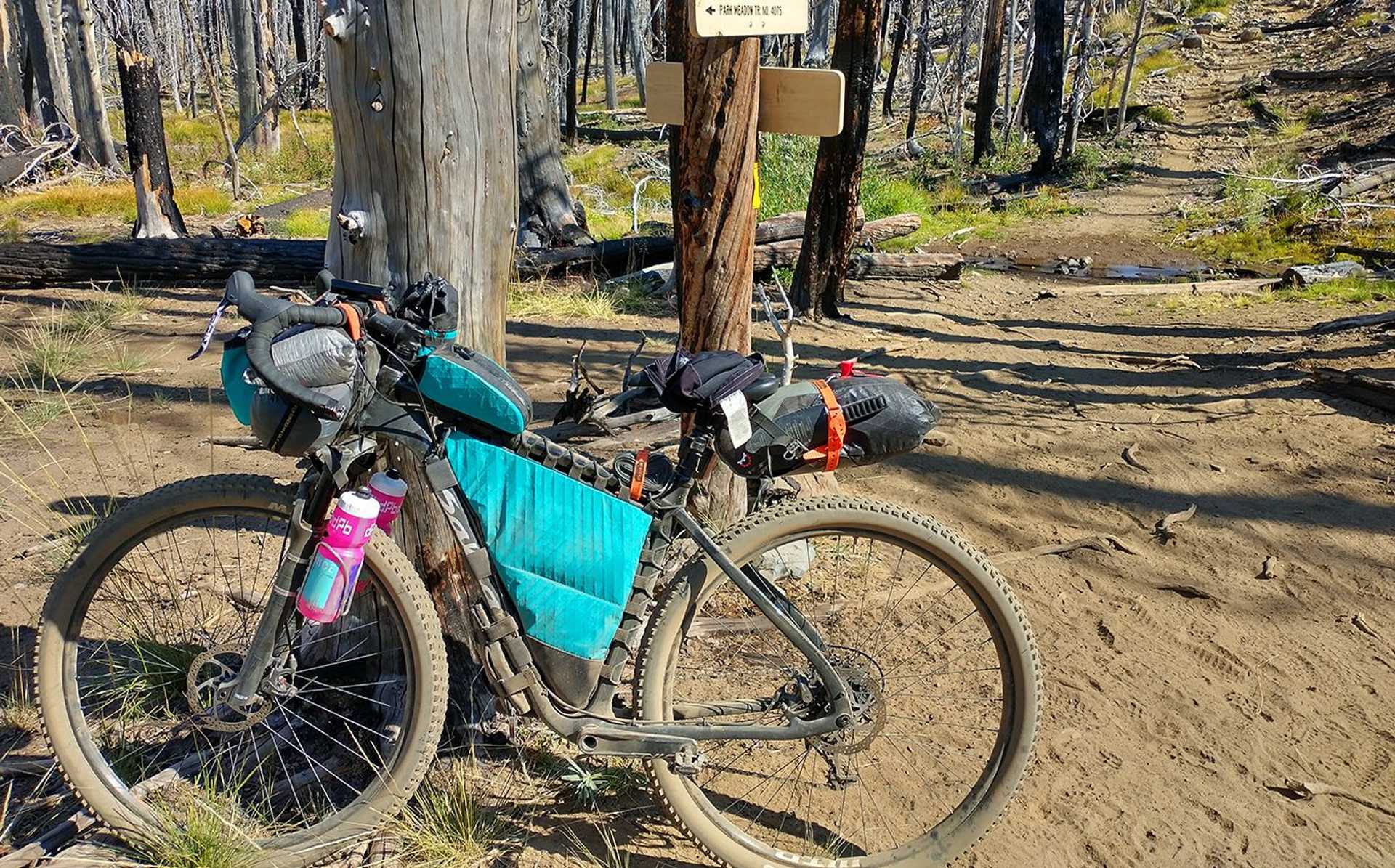
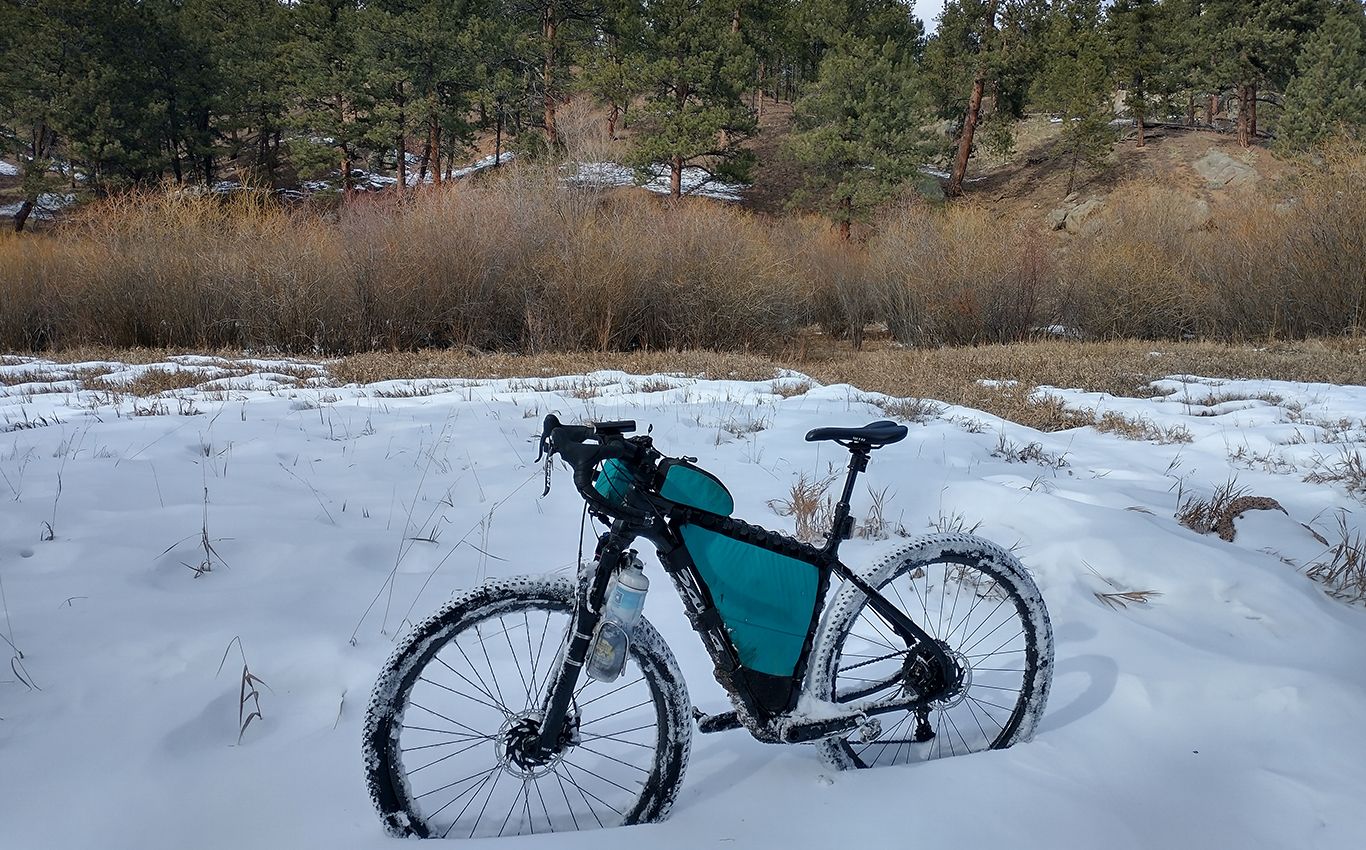
Frameset :
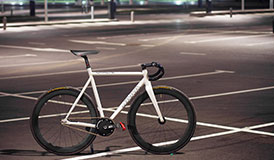
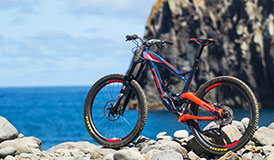
Salsa Cutthroat 2019
Fork :
RockShox Reba RL (100mm travel)
Groupset :
Sram Rival 1 / Apex 1 brakes / road shifters w/ Garbaruk cassette (10-50T)
Seatpost :
PNW Coast Suspension Dropper Post
Light Kit :
kLite Ultra MTB bikepacking
Frame Bag :
Movement Baggage
Wheels
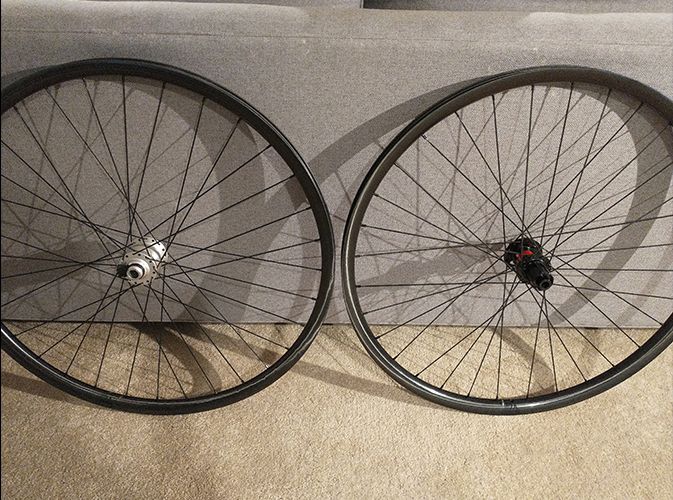
Rims :
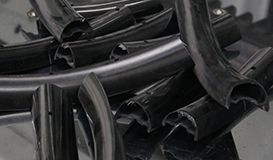
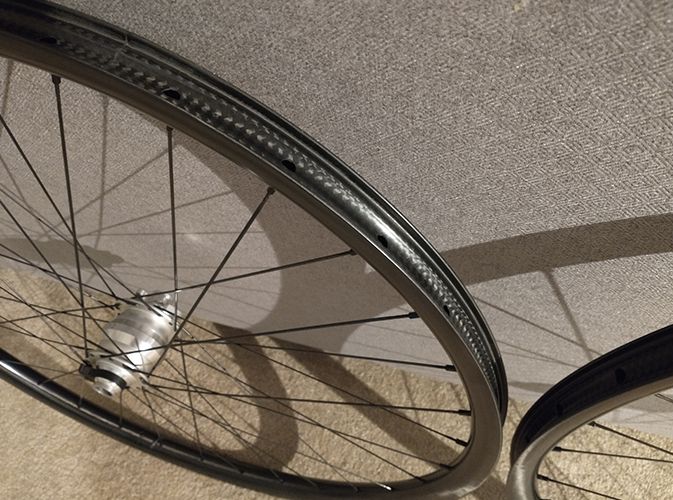
Light Bicycle XC925 Flyweight 32/32H paintless UD
Hubs :
Shutter Precision PD-8X dynamo (F), DT Swiss 240 (R)
Spokes :
Sapim CX Ray J-bend black
Nipples :
Sapim aluminum black
Tape & Valve :
Stan's No-Tube
Tires :
Maxxis Rekon 2.25” (F), Maxxis Ikon 2.2” (R)
The wheelset wasn’t something I was used to worrying about.
In 2020 I rode a bikepacking trail race called the Cascadian Crossing Route (CCR300). It was the inaugural event and the route featured a lot of single track trail riding. Around the beginning of the year, I had picked up a Salsa Cutthroat on sale at REI. The bike came with a standard machine-tensioned set of Novatec hubs laced to WTB rims. They were the cheaper options used on less fancy builds.
I didn’t think much about the wheelset during training throughout the year. It just wasn’t something I was used to worrying about. I figured that if I was going to go fast on a cheap training wheelset then I could go fast on a racing wheelset eventually. It was always better to train on heavier equipment.
In the past, it had usually been my body that ended up failing.
September rolled around and I was racing on the Cascading Crossing Route. Day 1 and 2 were great. I averaged over a hundred miles a day. Then, on Day 3, I was pushing hard and focused on riding throughout the night to finish it in the morning. It had turned dark and I was climbing up to the route high-point when I heard a loud pop from my drivetrain. All of a sudden, I could no longer turn the rear wheel when I turned the crank. It just spun.
The freehub had gradually become separated from the inner axle going through the rear hub. This meant that as the pawls continued to move laterally, and the teeth they engaged with had less and less contact. Eventually, the stresses were so great that the pawls broke through the tooth material. My hub was done and so was my race. I happened to have cell phone service even in the middle of nowhere, at the top of this mountain. I called my wife and she drove two hours from Bend, OR to get me.
This was an interesting experience because (A) it taught me the rigors of training and racing can be stressful so it’s important to maintain your gear; (B) the race can go bad for many reasons. In the past, it had usually been my body that ended up failing. In this case, it was my gear and that’s no less important. I decided after that to replace the damaged rear hub on this wheelset and use it for training. Then, I would build an ultralight (Flyweight) wheelset for the sole purpose of ultra-endurance racing.
It was really nice to work with Light Bicycle because they were so flexible in specing options for my order.
I decided to build a custom configured wheelset with the XC925 rim from Light Bicycle. The hubset I chose includes a 15x100 dynamo hub made by Shutter Precision in the front (I found a good deal on one used), and a DT Swiss 240 hub for the rear. It was really nice to work with Light Bicycle because they were so flexible in specing options for my order. I ended up buying the rims, spokes, and nipples from Light Bicycle and having the build assembled at my local wheel builder in Golden, CO.
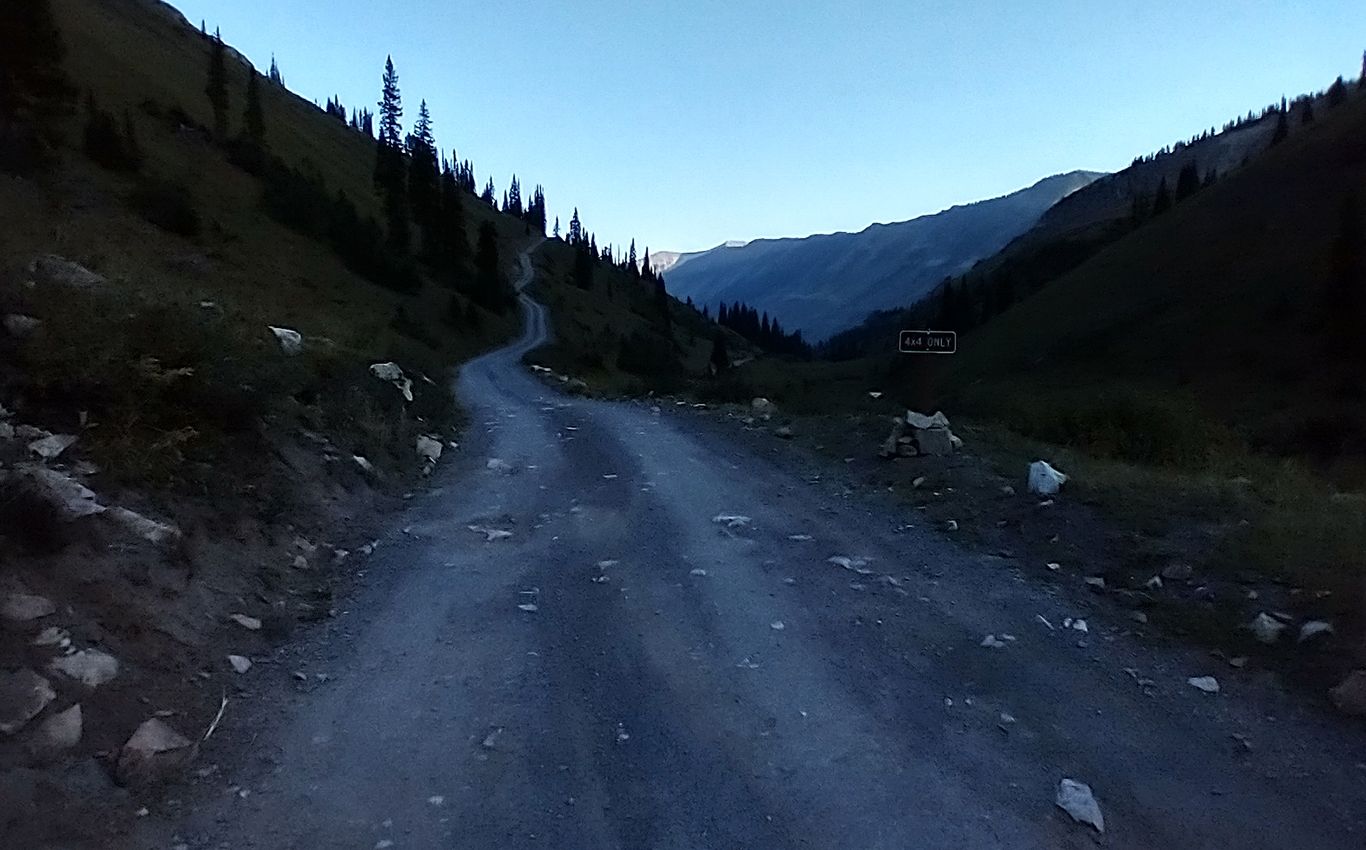
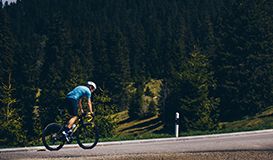
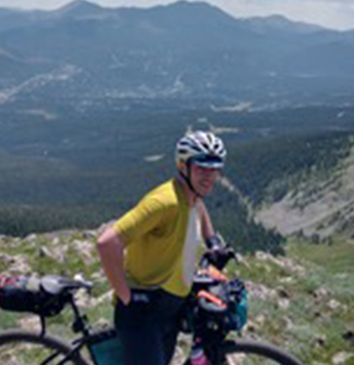
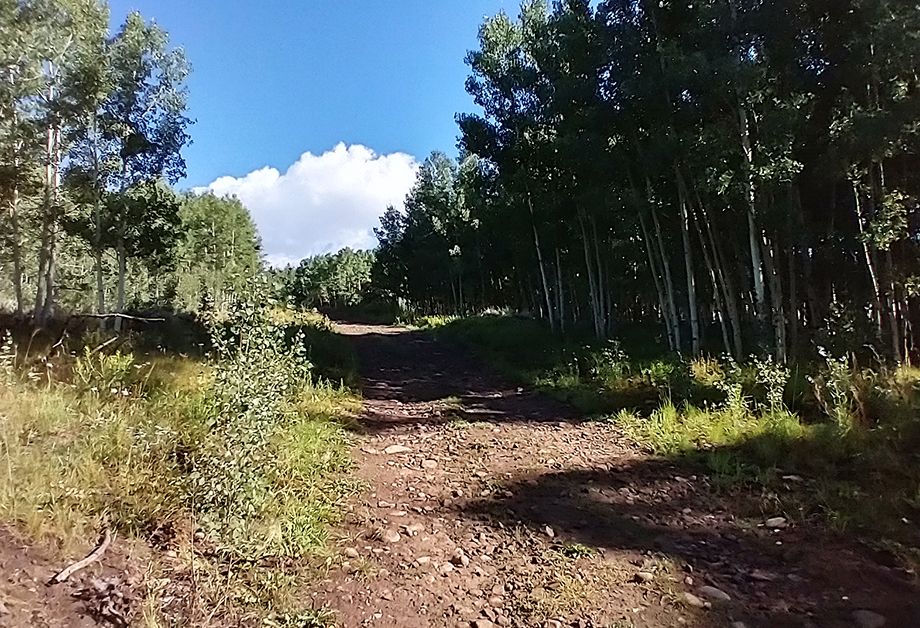
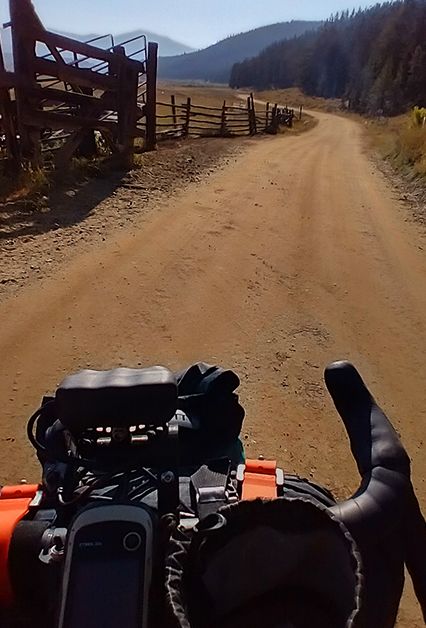
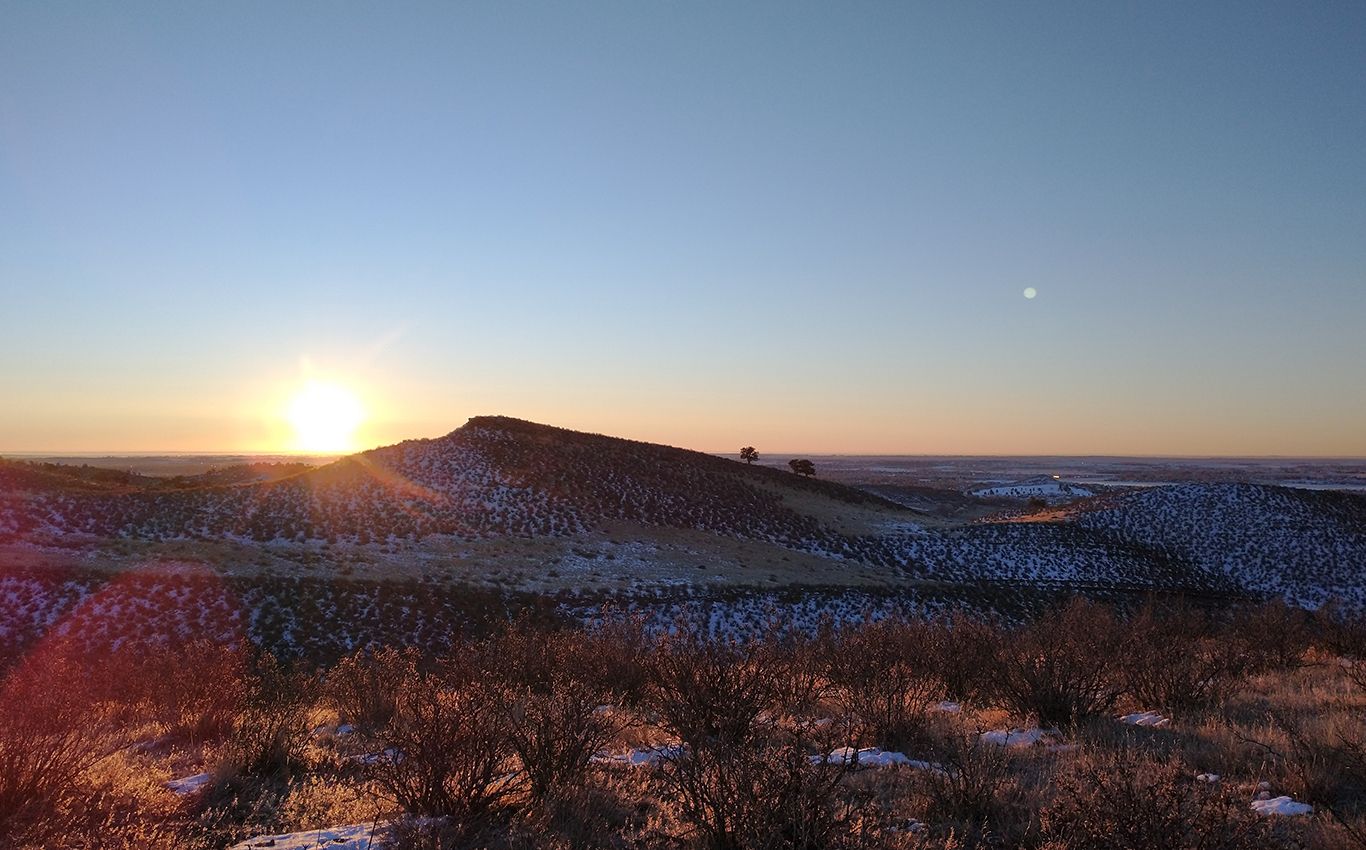
A couple of weeks ago, I participated in a small grassroots race event in Colorado. There was no support other than a route and a start line. The race itself was 310 miles through some of Colorado’s most pristine wilderness and over rugged single track and jeep roads; meant for the kind of bike designed for heavy-duty trail riding.
I took my Cutthroat with the XC925s and bike-packed the route through the wilderness of Colorado in three days 23 hours. Nights were the most interesting as I would be descending in the dark on expectedly technical terrain. The abuse was continuous. I fully expected to damage the rims or bike, running relatively low pressure with no tire inserts. All said and done, the rims held up spectacularly and even better; they stayed true and round. I have no doubts I configured one of the best lightweight setups for this kind of racing!