How to choose spoke nipples? Brass or aluminum, which is better? This is a common question asked by beginners and
seasoned riders alike. Generally speaking, brass nipples are more durable and heavier, while aluminum ones are
lighter and come in many colors. But there’s more to it than that, let’s take a look!
Weight
Brass nipples generally weigh about 1 gram each whereas aluminumweighs about ⅓ of a gram. This may not sound like
much, but some wheelsets have up to 72 nipples and they are positioned near the outer diameter of the wheel
where rotational weight is more critical.
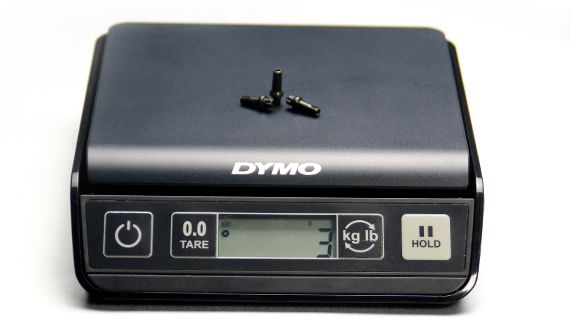
Brass Nipples*3
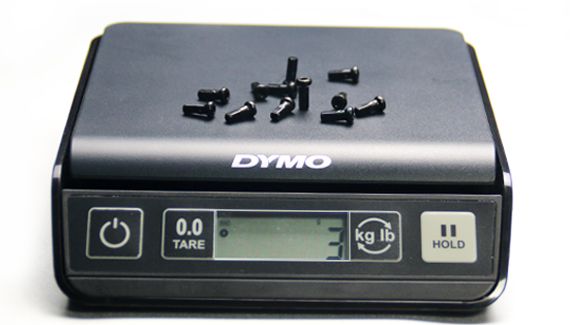
Aluminum Nipples*12
Color
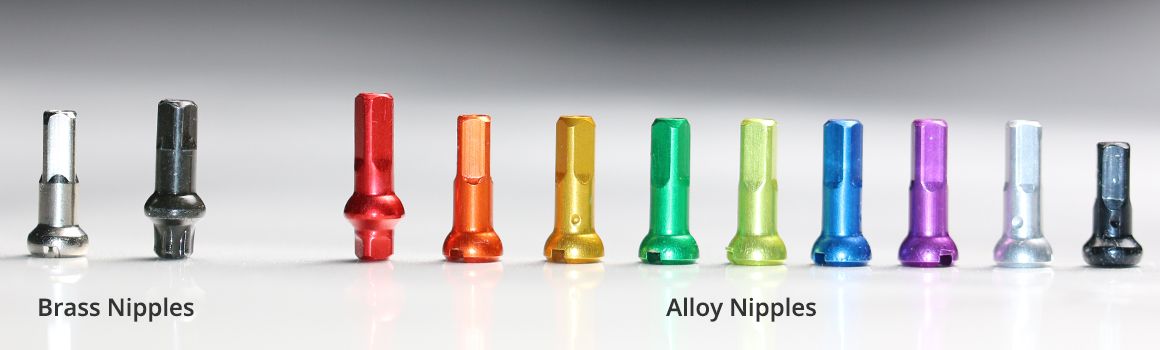
Brass nipples do not take color like aluminum, but we do stock them in black and silver. You’ll notice that black
brass nipples do not look as vibrant as black aluminum nipples and they discolor more easily. Aluminum nipples, on the
other hand, can be anodized so they come in a wide range of colors.
Strength
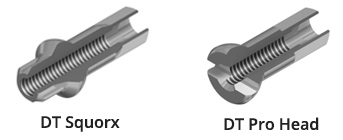
If you use standard 12mm long nipples with a traditional head, then brass nipples have more strength. Aluminum
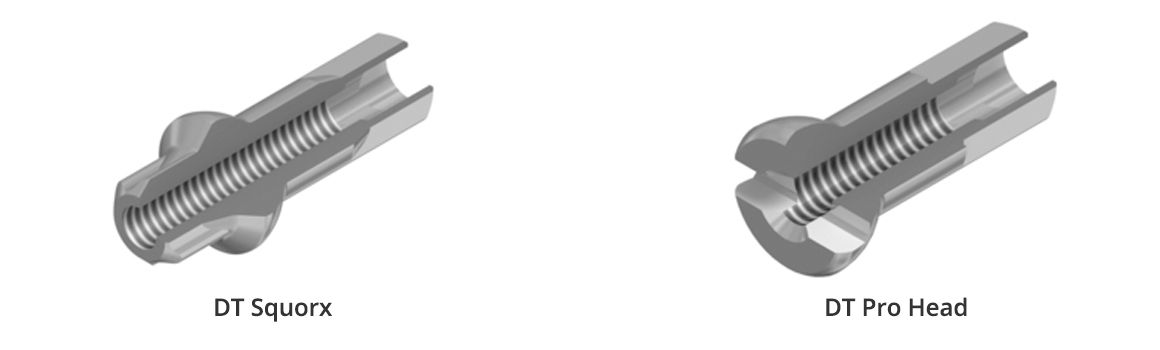
nipples with a raised head (like double square or hex head) have dramatically stronger shear strength due to the
oversized head (and no slot). Most 16mm nipples with oversized heads can achieve full thread engagement, whereas
traditional nipples can only get ⅔ engagement in the best-case scenario.
Building
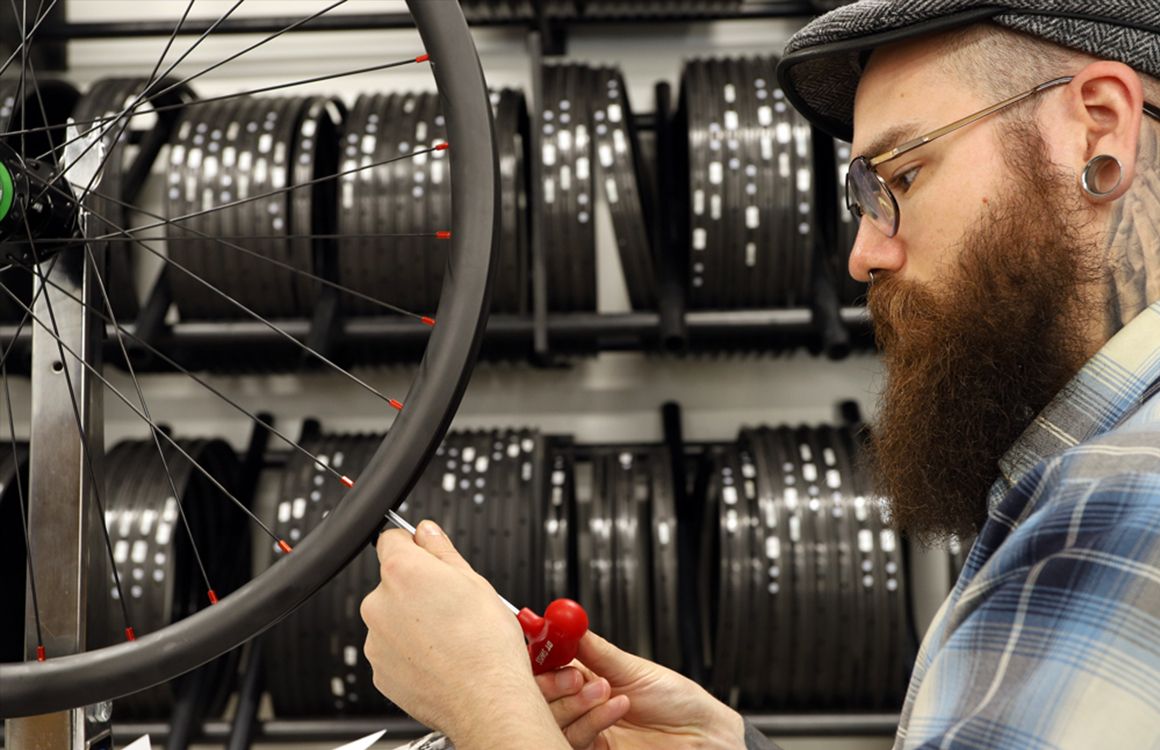
Aluminum nipples have less friction when being turned onto steel spokes compared to brass, so they tend to build up
easier and builders won’t have to fight with spoke wind up (twisting). Aluminum is a bit softer than brass so the
nipples round out more easily. A 4-sided external nipple wrench or an internal nipple tool when using hex,
double square or DT Squorx nipples is very helpful to prevent damaging the nipples during building.
Some nipples like Sapim Polyax are made from heat-treated 7075 series alloy which is harder and less prone to
rounding out. Features like Sapim’s Secure lock or DT Swiss’s Pro Lock help prevent unwinding and loosening of
the nipples, which cause the wheels to lose tension and come out of true. The nipples we use also have a more
tapered head to lower stress at the nipple bed and pull more in line with the spokes.
Maintenance
& Corrosion
In most cases, brass nipples won’t corrode as much as aluminum nipples. There is more galvanic corrosion between
carbon and aluminum so only high-quality aluminum nipples should be used. Sapim’s high-end aluminum nipples have a
special corrosion treatment and their salt spray tests show better results than brass nickel plated nipples.
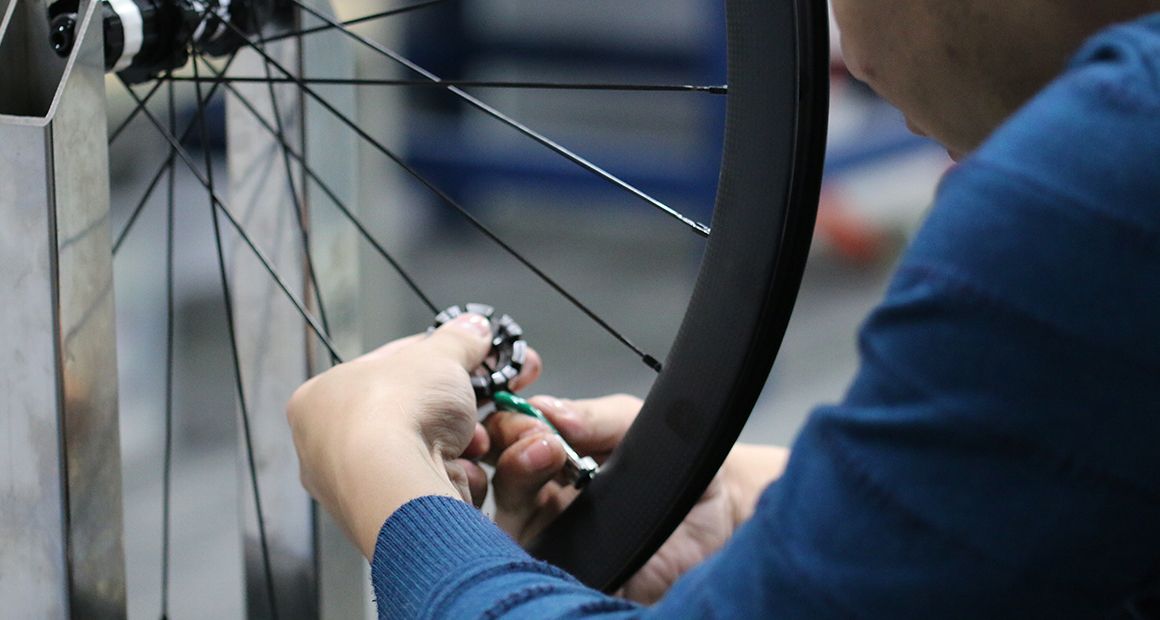
It’s often easier to re-true a wheel that has brass nipples because they don’t deform or become as brittle as
aluminum ones can over time. Aluminum nipples can work well, but seek out higher quality tools and nipples with raised
heads if you want a more trouble-free building experience.
Nipples We
Build With:
| Nipple Brand
|
Model
|
Material
|
Color
|
Length |
Available(Warehouse)
|
| Sapim
|
Double Square Secure Lock
|
Aluminum
|
Black, Red, Green, Blue, Gold, Lime, Purple, Orange
|
16mm |
North American
|
| Sapim
|
Polyax/Polyax Secure Lock
|
Aluminum
|
Black, Silver, Red, Green, Blue, Gold, Lime, Purple, Orange
|
14mm |
Global
|
| Sapim
|
Polyax Secure Lock
|
Brass
|
Black, Silver (internal nipples)
|
14mm |
Global & North American
|
| DT Swiss
|
Squorx
|
Aluminum
|
Black, Red
|
15mm |
Global
|
| DT Swiss
|
Standard
|
Brass
|
Black
|
14mm |
Global
|
| Light Bicycle Design
|
N/A
|
Brass
|
Oil Slick
|
14mm |
Global
|
If you’re interested to hear more about internal vs. external nipples, you may find this blog helpful. If you have any other questions regarding nipples, please leave a
comment below!
February 27th, 2020 | Light Bicycle